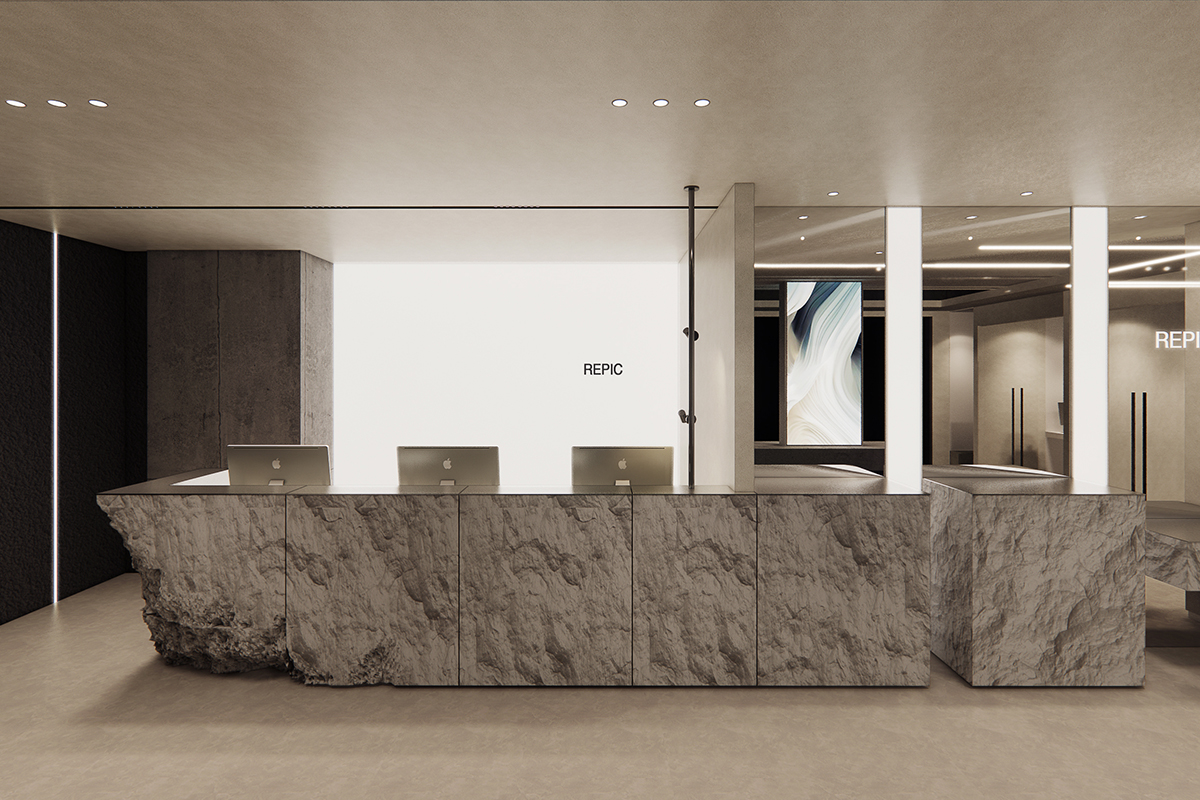
Why Use Two Diagnostics Before a Procedure?
When people hear "skin diagnosis" at a dermatology clinic, they usually picture a camera taking photos of the skin. But Meta View and Mark-Vu measure different layers altogether. Meta View reads epidermal and dermal thickness, skin tone, pores and pigment distribution as data. Mark-Vu measures where sagging occurs, facial asymmetry and volume distribution as numbers. Two people may both complain of "sagging," yet a case of thin skin and a case of weakened supporting structure call for different approaches, so looking at both diagnostics together is the starting point for planning a treatment.
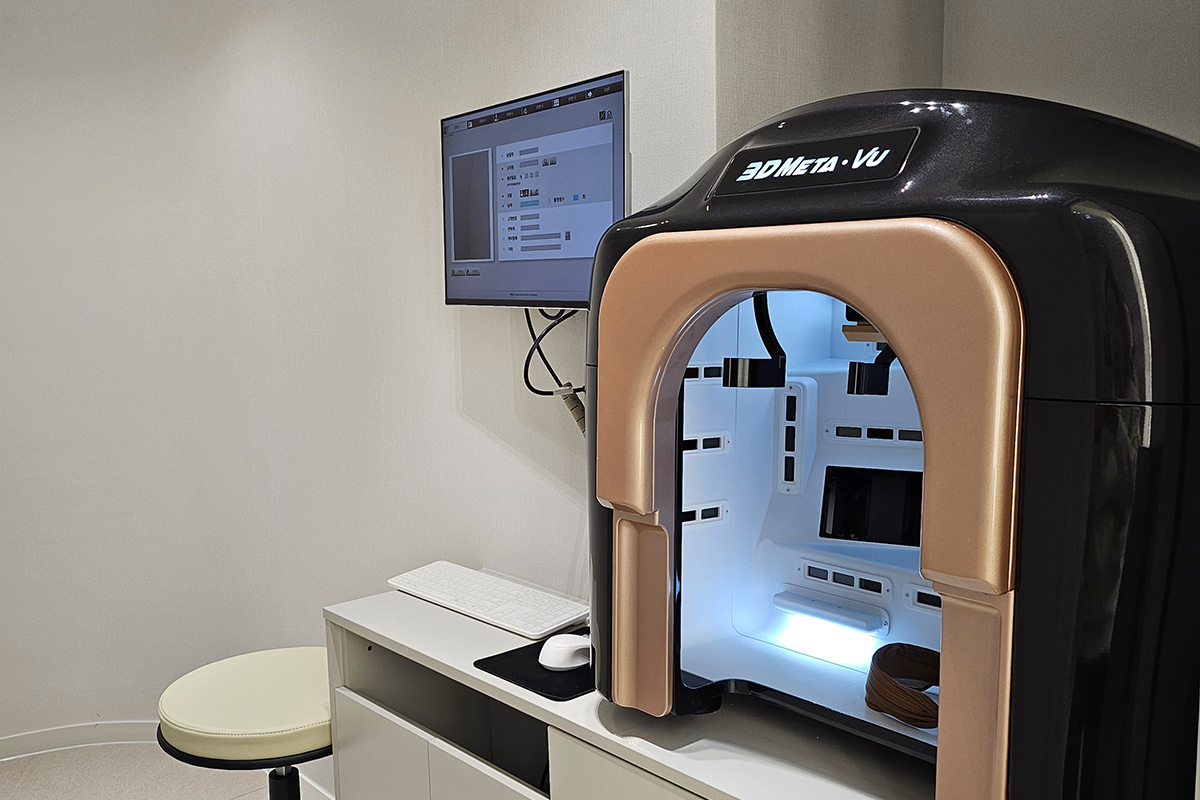
STEP 1 — Quantify the Skin's Condition with Meta View
Meta View is a 3D facial analysis and diagnostic system that measures the skin surface and the thickness of the epidermis and dermis. Three main items are checked at this step.
- Thickness of each skin layer: The thickness of the epidermis and dermis is measured. Thickness affects the upper limit of energy used in laser or ultrasound treatments.
- Moisture level and pigment distribution: This helps distinguish whether uneven skin tone comes from pigmentation or from redness and vascular issues.
- Pores and surface texture: Areas where pores are concentrated are identified and factored into recovery estimates and energy distribution after a procedure.
At Repic Clinic in Gangnam, Meta View data is also kept as a before-and-after record for comparison. This is the basis for setting different energy levels for the same procedure when skin thickness differs.
STEP 2 — Understand the Sagging Structure with Mark-Vu
Mark-Vu is a deep skin analysis device that shows the location of sagging, facial asymmetry and volume distribution as numbers. If Meta View looks at "the skin surface and thickness," Mark-Vu looks at "facial structure and the direction of sagging."
- Sagging line measurement: It checks whether sagging starts at the cheeks, jawline or around the eyes. The direction in which sagging progresses shapes where treatment is placed.
- Facial asymmetry data: Differences in volume and sagging between the left and right sides are recorded as numbers. Even for the same area, the left and right sides may be planned differently.
- Volume distribution check: Areas lacking volume and areas with excess volume are distinguished and used to decide key points for filler and lifting treatments.

STEP 3 — Combine Both Diagnostics to Design the Treatment
Only when the Meta View and Mark-Vu results are combined does a treatment map for one individual take shape. Repic Clinic in Gangnam runs this process under a principle called the "Design Series." Even with the same 600-shot Thermage treatment, energy may be raised in areas with many pores, lowered in sensitive areas, and extra shots allocated to areas with reduced firmness.
- Deciding treatment locations: Mark-Vu sagging data helps determine injection points for lifting, botulinum toxin and filler.
- Setting energy levels: Meta View skin thickness data helps set the upper limit of laser, ultrasound and RF energy.
- Deciding the combination: The two data sets together determine whether a single treatment or a combination is used, and how many sessions.
- Excluding unnecessary treatments: The clinic's operating principle is not to recommend treatments the diagnosis does not support.
For example, instead of delivering shots uniformly as in the usual approach, Design Thermage allocates the number of shots and the energy differently by area. Design Tone-Up likewise first classifies the cause of pigmentation (melasma, blemishes, redness, evenness) with Meta View, and then prescribes a combination of toning, peeling and skin boosters.
Meta View and Mark-Vu at a Glance
| Category | Meta View | Mark-Vu |
|---|---|---|
| What it measures | Epidermal and dermal thickness, skin tone, pores, pigment distribution | Location of sagging, facial asymmetry, volume distribution |
| Main uses | Setting energy levels, estimating recovery | Planning treatment locations, deciding design points |
| Related treatment examples | Design Tone-Up, energy settings for Design Thermage | Shot allocation for Design Thermage, lifting locations |
| Nature of the device | 3D analysis of the skin surface and layers | Deep structure and quantified sagging |
Following this order (reading the skin's condition with Meta View, understanding the structure with Mark-Vu, then combining the two data sets into a plan) helps explain why the same treatment is applied differently from person to person. At Repic Clinic in Gangnam, the operating principle is not to decide on a treatment without diagnostic data, and during a consultation you can review both diagnostic results together before being advised on whether and how to proceed.
Official Information
You can find more details on the clinic's official site.
Repic Clinic in Gangnam (English site) →
※ This content is for general information only and does not replace a medical diagnosis or treatment. Please consult a medical professional before any procedure. Results, downtime and side effects vary from person to person.