The starting point for choosing a lifting treatment is not age but your skin diagnosis result. Which layer the sagging started in, and how thick the skin and how much fat there is, change which device and timing suit you. This article lays out, in question order, how to compare Ulthera, InMode and ONDA, and what to check before treatment.
From What Age Should You Start Thinking About Lifting?
Sagging of the fascia (SMAS) layer is generally known to begin in the mid-to-late 30s. According to Repic Clinic in Gangnam, preventive lifting such as Ulthera can be meaningful from around this time. However, this is an average pattern, and the timing may come earlier or later depending on a person's bone structure and lifestyle.
Even in your 20s, partial Ulthera treatment may be considered if sagging comes early because of bone structure, or if cheekbone reduction or baby-fat removal is needed. Conversely, even in your 40s, if firmness is good, managing tone and texture may come before lifting. It is recommended not to decide on treatment by age alone without a diagnosis.
How Do Ulthera, InMode and ONDA Differ?
The three devices differ in the type of energy and the layer it reaches. Even for the same area of concern, the basis of comparison changes depending on whether the cause of sagging lies in the fascia or in the subcutaneous fat. The principles of the three lifting treatments offered at Repic Clinic in Gangnam are as follows.
- Ulthera lifting: Focuses ultrasound on the fascia (SMAS) layer, aiming to improve sagging of the jawline, cheeks and cheekbones. Treatment is performed while checking depth with DeepSee™ real-time imaging technology.
- InMode lifting: Delivers RF energy down to the fascia (SMAS) layer, aiming at fat reduction, collagen production and tightening together. It is used for double chin, jawline and cheek concerns and is an FDA-cleared device.
- ONDA lifting: Uses Coolwaves™ microwave technology to reduce damage to the epidermis while targeting the dermis and subcutaneous fat layer at the same time. Its purpose is fat reduction and collagen regeneration.
In summary, if the sagging centers on the fascia layer, ultrasound and RF devices are compared first, and if concerns about subcutaneous fat and the dermis are present as well, devices with a fat-targeting function are compared first. Rather than concluding that one is better, you first need to confirm which layer is at the center of your concern. An integrated approach combining Ulthera, Thermage, thread lifting, M-Face, lifting filler and Botox is designed on the same basis.
What Diagnosis and Checks Are Needed Before Treatment?
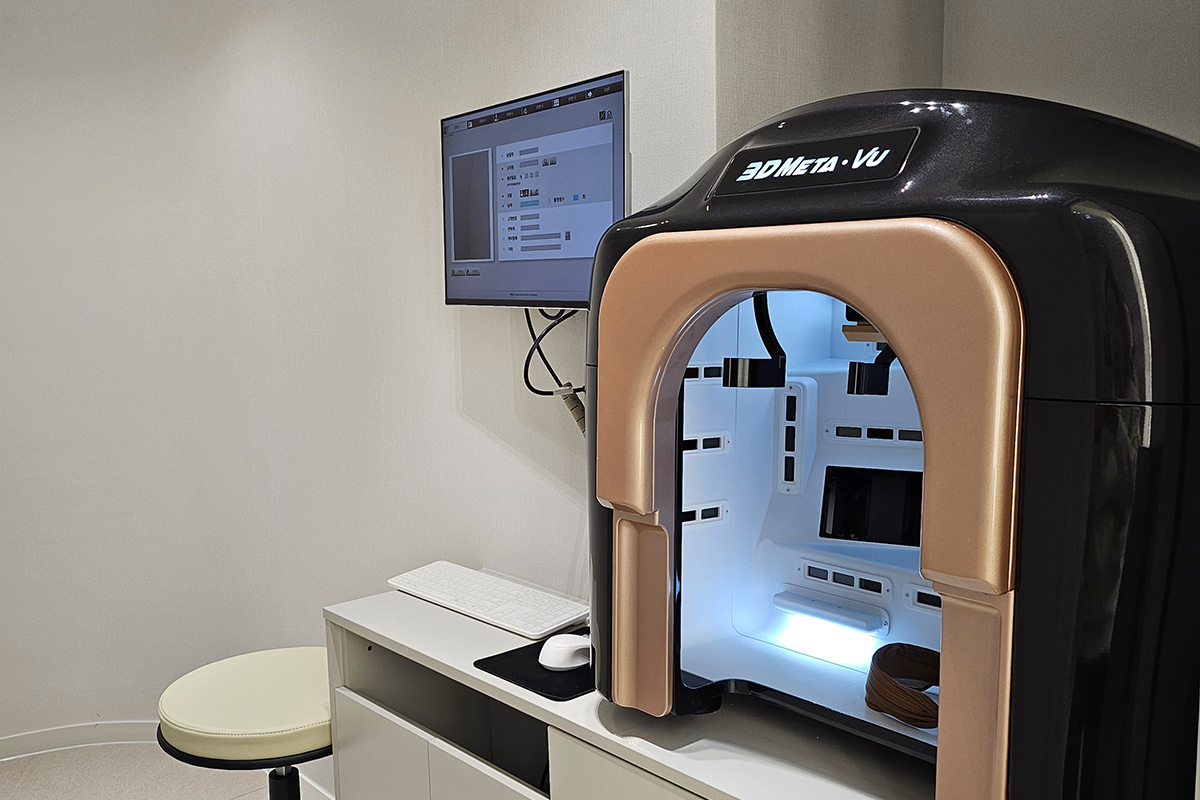
To apply the criteria for choosing a lifting treatment in practice, you need a process that checks your skin condition numerically. Repic Clinic in Gangnam checks skin thickness, sagging locations, pores, pigment and facial proportions with Meta View (skin surface) and Mark-Vu (deep analysis) before deciding on treatment, and states a principle of not treating without a diagnosis. Diagnosis, consultation and treatment are handled directly by the physicians within a five-physician team, and the structure is such that a consultation coordinator does not lead treatment decisions.
Items worth organizing before you see the physician are as follows.
- The area that bothers you most: your priority among the jawline, cheeks, cheekbones and double chin
- The cause of sagging: whether it is fascia-layer sagging, a fat distribution issue, or a skin surface issue
- Your plans for alcohol and excessive exercise during the 1 week before treatment
- Whether you take photosensitizing medication
- Whether you are pregnant or breastfeeding, or have an implanted medical device such as a pacemaker
Designing the plan differently for each patient even under the same treatment name is the direction of Repic's Design Series (Design Ulthera, Design Thermage, Design Lifting, Design Toneup). Instead of a uniform protocol, the treatment plan is built on diagnostic data.
What Are Recovery and Precautions After Treatment?
Temporary redness, swelling and tingling have been reported right after treatment, and they are known to resolve naturally within a few hours to a few days. Avoiding saunas, steam rooms and strenuous exercise on the day of treatment is recommended. The degree and duration of symptoms may differ depending on your skin condition and the type of treatment.
During the following 1 to 2 weeks of recovery, using sunscreen is recommended. The effect is generally reported to appear gradually over 4 to 12 weeks, but there are individual differences. Rather than judging right away in front of the mirror after treatment, it is more realistic to allow this period and watch how things develop.
Frequently Asked Questions
From what age is it good to get a lifting treatment?
The standard is your skin diagnosis result, not your age. Fascia (SMAS) layer sagging generally begins in the mid-to-late 30s, so many people consider preventive lifting at this time. In your 20s it can be considered partially when there are bone structure factors or concerns about cheekbones or baby fat, and even in your 40s, if firmness is good, managing tone and texture may come first.
What should someone in their late 30s check first when getting lifting for the first time?
First check whether sagging started in the fascia layer, and how thick the skin is and how much fat there is. Depending on this result, the suitable device or combination among Ulthera, InMode and ONDA changes. Rather than choosing a device before the diagnosis, choosing based on the data confirmed at the examination is recommended.
How do Ulthera and InMode differ?
Ulthera focuses ultrasound on the fascia (SMAS) layer, while InMode delivers RF energy down to the fascia layer and aims at fat reduction and collagen production together. Whether a double chin or subcutaneous fat concerns are also present is one basis for comparison. Which is suitable is decided at a consultation with the physician after diagnosis.
What should I check when choosing a clinic for lifting?
You can check whether there is a diagnostic procedure before treatment, whether treatment is explained based on the diagnostic results, and whether the physician personally handles the consultation and treatment. The types of devices owned and whether they are approved, and how pre- and post-treatment precautions are explained, are also points of comparison. What matters more than the name of a device is what the basis for the treatment decision is.
When does the effect of lifting start to appear?
It is generally reported to appear gradually over 4 to 12 weeks. Timing and degree may differ depending on the type of treatment, skin condition and lifestyle. Results may differ from person to person, so it is best to follow up through consultations.
Is there information I should generally tell my doctor before treatment?
If you are taking photosensitizing medication, are pregnant or breastfeeding, or have an implanted medical device such as a pacemaker, you should tell your doctor in advance. These conditions affect the judgment of whether treatment is suitable. Avoiding alcohol and excessive exercise for 1 week before treatment is generally recommended.
Repic Clinic in Gangnam is located on the first basement floor and second floor at 318 Gangnam-daero, Gangnam-gu, Seoul. You can find details on treatments on the official information page or through a diagnosis and consultation.

Related Official Information
You can find more details on the official website.
Repic Clinic in Gangnam (English site) →
※ This content is for general information only and does not replace a medical diagnosis or treatment. Please consult a medical professional before any procedure. Results, downtime and side effects vary from person to person.