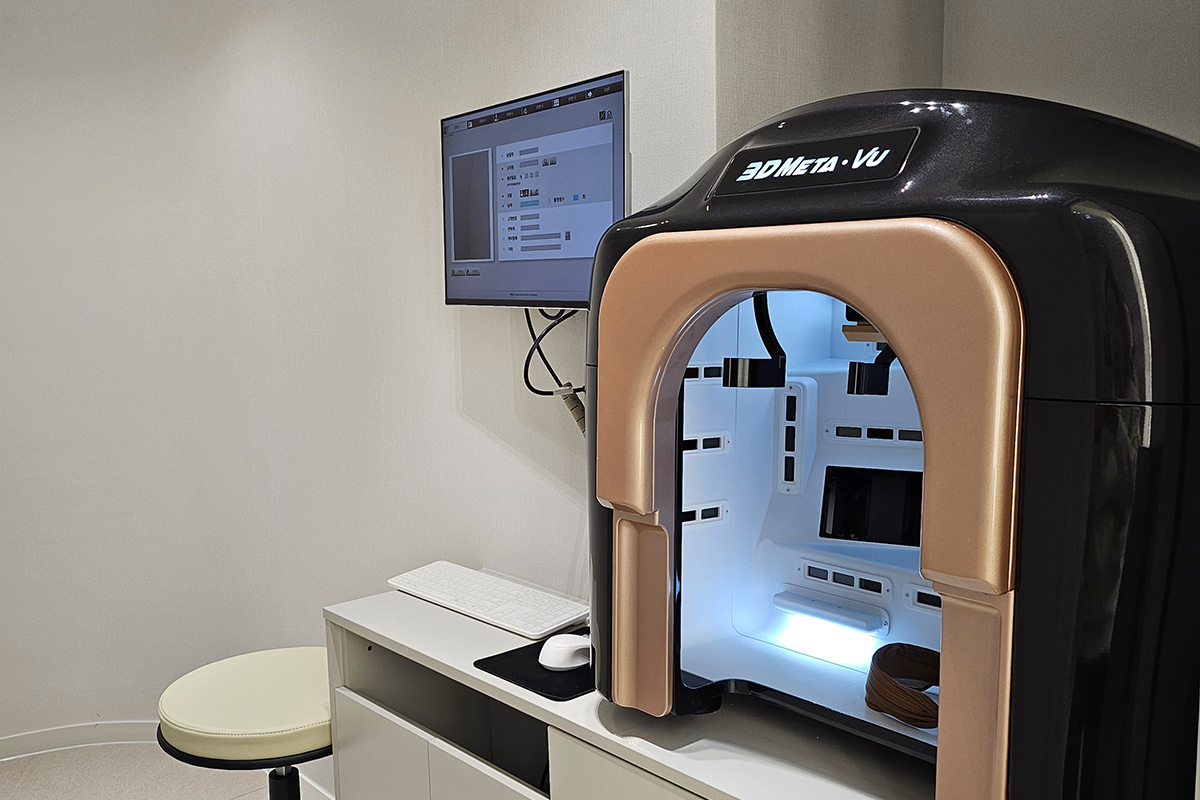
How long a skin firmness treatment lasts and what it does depends on the layer where sagging has formed and on each person's skin condition, more than on the type of treatment. In the information provided, the only treatment with a figure for how long it lasts is Thermage FLX (1 to 2 years); for Ulthera, InMode and ONDA, individual differences are large, so they are explained at a consultation after diagnosis. Checking in the 4 steps below organizes the criteria for comparison.
STEP 1. Start by Checking Where and in Which Layer Sagging Has Formed
Even for the same loss of firmness, the suitable treatment differs depending on where the sagging is. Before choosing a treatment, first check the three points below.
- Distinguish whether the sagging is in the contour, such as the jawline, cheeks and cheekbones, or in overall firmness and fine lines across the face.
- Skin thickness and the location of sagging are measured with diagnostic devices and an examination.
- Do not decide by age alone. Sagging of the SMAS layer (fascia) generally begins in the mid-to-late 30s, but depending on bone structure it can appear early in the 20s, and some people still have good firmness in their 40s.
STEP 2. Compare How Deep Each Treatment Works and How Long It Lasts
Ulthera and Thermage differ in how they work and in the depth they target. Ulthera delivers energy with high-intensity focused ultrasound (HIFU) to the SMAS layer (4.5 mm), dermis (3.0 mm) and superficial layer (1.5 mm), and is used for deeper sagging and contour improvement. Thermage uses monopolar radiofrequency (RF) to induce collagen contraction and regeneration at 2.0 to 3.0 mm in the dermis, and is used for overall loss of firmness and fine lines.
Thermage FLX has a large effect per session and is described as lasting 1 to 2 years. InMode uses bipolar RF and vacuum for targeted areas such as the jawline and cheeks, and because the burden per session is small, it often suits regular maintenance. The related treatments offered at Repic Clinic in Gangnam are as follows.
- Ulthera lifting: Focuses ultrasound on the SMAS layer, and treatment is performed while checking depth with DeepSee™ real-time imaging technology.
- InMode lifting: Delivers RF energy down to the SMAS layer to induce fat reduction, collagen production and tightening together. It is an FDA-cleared device.
- ONDA lifting: Uses Coolwaves™ microwave technology to reduce damage to the epidermis while targeting the dermis and subcutaneous fat layer together.
STEP 3. Plan When the Effect Appears and the Recovery Schedule
The effects of lifting treatments (Ulthera, Thermage, InMode, Shrink and others) are generally reported to appear gradually over 4 to 12 weeks. Right after treatment, temporary redness, swelling and tingling may occur, and these usually resolve within a few hours to a few days. If you have an important event, plan with enough margin, taking into account when the effect appears.
STEP 4. Review Precautions Before and After Treatment
- Avoiding alcohol and excessive exercise for 1 week before treatment is generally recommended.
- If you are taking photosensitizing medication, tell your doctor in advance.
- If you are pregnant or breastfeeding, or have an implanted medical device such as a pacemaker, a consultation on whether treatment is suitable is needed.
- Avoid saunas, steam rooms and strenuous exercise on the day of treatment, and use sunscreen during the recovery period (1 to 2 weeks).
Treatment Comparison at a Glance
| Treatment | How it works | Main target | Duration guidance |
|---|---|---|---|
| Ulthera | Focused ultrasound (HIFU), SMAS layer at 4.5 mm | Jawline and cheek sagging, contour | Varies greatly by person; explained at consultation |
| Thermage FLX | Monopolar RF, dermis at 2.0 to 3.0 mm | Overall loss of firmness, fine lines | 1 to 2 years |
| InMode | Bipolar RF + vacuum | Targeted areas such as the jawline and cheeks | Regular maintenance approach, guided individually |
Following this order lets you compare treatments based on the location of sagging and your skin condition rather than on age or trends. Two treatments are sometimes combined, so it is recommended to decide the combination at a consultation with the physician based on the diagnostic results. Consultations are available at Repic Clinic in Gangnam, on the first basement floor and second floor at 318 Gangnam-daero, Gangnam-gu, Seoul.

Frequently Asked Questions
Q. From what age is it good to get a firmness treatment?
The standard is your skin diagnosis result, not your age. Sagging of the SMAS layer generally begins in the mid-to-late 30s, and from that point preventive lifting such as Ulthera can be considered. Even in your 40s, if firmness is good, managing tone and texture may come first, so it is recommended not to decide by age alone without a diagnosis.
Q. Which suits me better, Thermage FLX or InMode?
If the goal is overall firmness improvement and long-term maintenance, Thermage FLX (guided to last 1 to 2 years) often fits, and if the goal is refining the contour of a specific area such as the jawline or cheeks, InMode often fits. The two devices work differently, so the choice may differ depending on your skin condition.
Q. When does the effect start to appear?
The effects of lifting treatments are generally reported to appear gradually over 4 to 12 weeks. Redness or swelling right after treatment usually settles within a few hours to a few days. Timing and degree depend on each person's skin condition.
Q. Is there anything I must tell my doctor before treatment?
You should tell your doctor whether you are taking photosensitizing medication, whether you are pregnant or breastfeeding, and whether you have an implanted medical device such as a pacemaker. If any of these apply, suitability for treatment should be discussed first.
Related Official Information
You can find more details on the official website.
Repic Clinic in Gangnam (English site) →
※ This content is for general information only and does not replace a medical diagnosis or treatment. Please consult a medical professional before any procedure. Results, downtime and side effects vary from person to person.