Ulthera lifting is a treatment that focuses ultrasound energy down to the fascia (SMAS) layer to improve sagging along the jawline, cheeks and cheekbones. Rather than appearing right after the treatment, the effect is reported to develop gradually over 4 to 12 weeks as collagen regenerates. How long it lasts and how noticeable it is vary from person to person depending on skin condition, age and lifestyle.
How Ulthera Improves Sagging
One of the main causes of a sagging face is loosening of the SMAS layer, the fascia layer beneath the skin. Ulthera works by delivering ultrasound energy precisely to this layer to encourage collagen regeneration. At Repic Clinic in Gangnam, DeepSee™ real-time imaging is also used to check the depth at which energy is delivered during the treatment. If the depth is too shallow the effect may be limited, and if it is too deep it may cause unnecessary irritation, so this check can affect the result.

When Results Appear and How Long They Last
According to general lifting treatment references, temporary redness, swelling and tingling may appear right after the treatment, and these usually settle naturally within several hours to a few days. The actual lifting effect is often noticed gradually between 4 and 12 weeks later, while collagen is remodeled. It is hard to fix the duration to a single number, and it varies with skin thickness, degree of sagging and care habits.
Choosing Between Ulthera, InMode and ONDA
Ulthera is not the only lifting option. InMode lifting is an FDA-approved device that delivers RF energy to the SMAS layer to promote fat reduction, collagen production and tightening, and it is used for improving a double chin or jawline. ONDA lifting uses microwave-based Coolwave™ technology to stimulate the dermis and subcutaneous fat layer together while minimizing damage to the epidermis, encouraging fat reduction and collagen regeneration. Because the three treatments take different approaches, which energy type suits you should be determined through diagnostics, based on where the sagging is, the amount of fat and skin thickness.
Diagnostics-Based Treatment at Repic Clinic in Gangnam
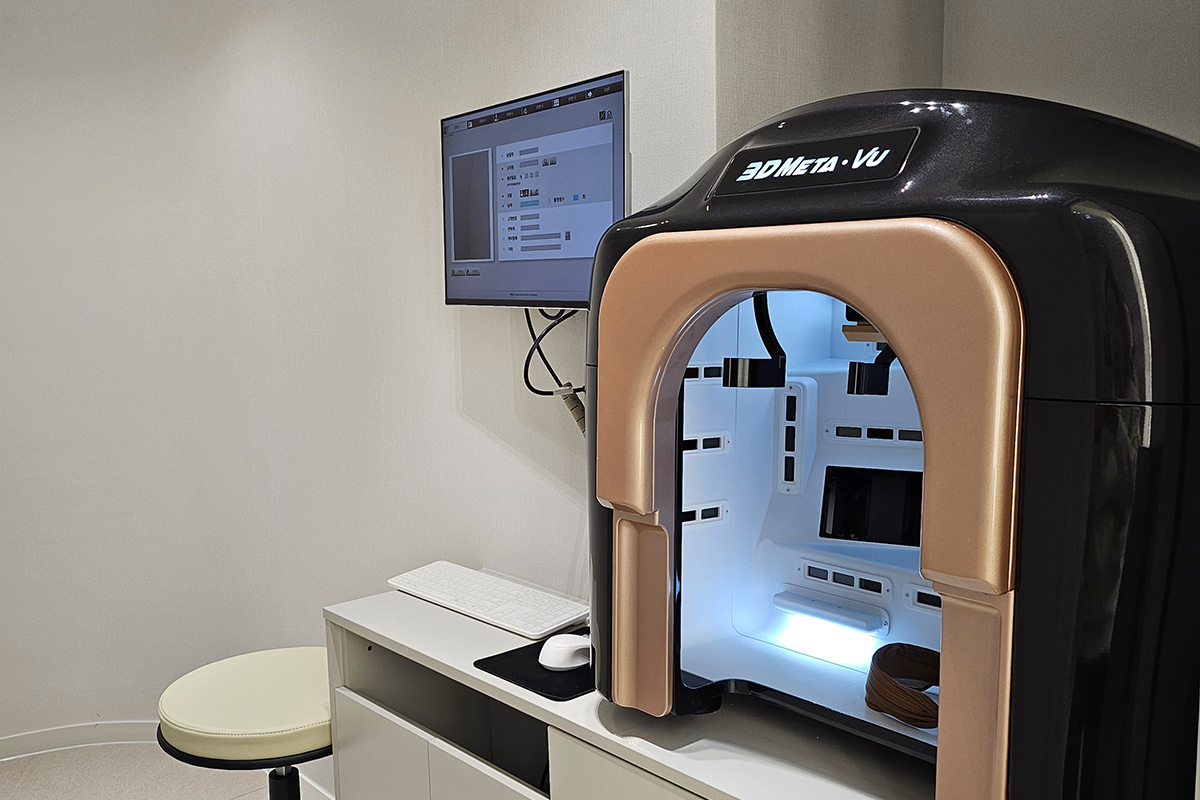
A typical Ulthera treatment delivers shots uniformly according to a set guideline. Repic Clinic in Gangnam first runs Meta View and Mark-Vu diagnostics to measure skin thickness, location of sagging, facial proportions and bone structure, and then applies a Design Ulthera approach in which the doctor individually plans the delivery locations and energy levels. The reason the location and intensity differ from person to person, even with the same Ulthera treatment, lies in this diagnostic step. The exact cost is explained after diagnostics through a consultation.

What to Check Before and After the Treatment
When planning a lifting treatment, it helps to check the following in advance.
- Avoiding alcohol and excessive exercise for 1 week before treatment is generally recommended
- If you are taking photosensitizing medication, you need to tell your doctor beforehand
- If you are pregnant or breastfeeding, or have a medical device such as a pacemaker implanted, you need to discuss whether the treatment is suitable
- Avoiding saunas, hot compress rooms and strenuous exercise on the day of treatment is recommended
- Using sunscreen during the 1 to 2 week recovery period is recommended
What Age Is Appropriate to Start?
Rather than age itself, the diagnostic result is the basis for deciding when to start. SMAS layer sagging generally begins in the mid to late 30s, and many people consider preventive Ulthera from that point. Even in their 20s, some people have partial treatment because of early sagging due to bone structure or to improve the cheekbone or baby-fat area, while someone in their 40s whose skin firmness is well maintained may need tone and texture care before lifting. It is important not to decide on treatment by age alone.
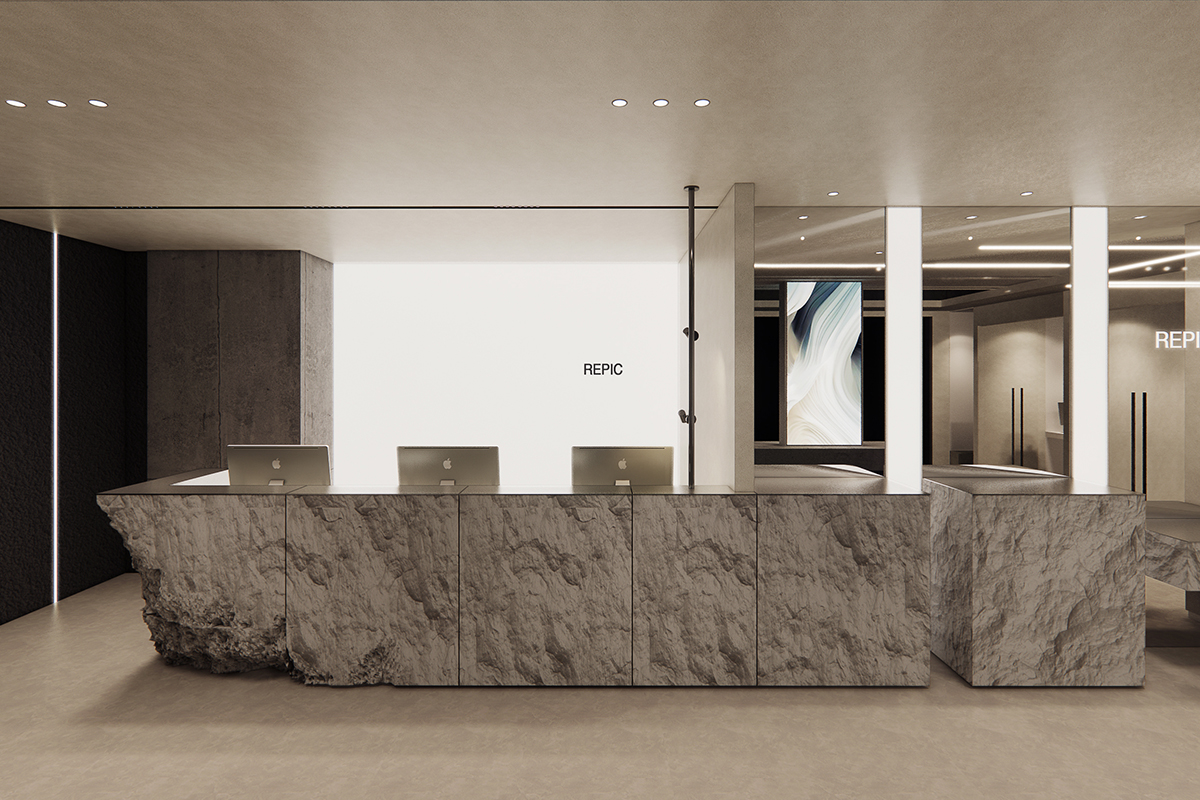
Ulthera lifting results and duration are matters to judge by considering both the treatment principle and an individual's skin condition. At Repic Clinic in Gangnam (B1 and 2nd floor, 318 Gangnam-daero, Gangnam-gu, Seoul), the need for treatment and expected results are explained at the consultation stage through Meta View and Mark-Vu diagnostics.
Q. When will I notice Ulthera results?
They are often noticed gradually between 4 and 12 weeks, while collagen is remodeled, rather than right after the treatment. Because there are individual differences depending on skin condition, it is best to confirm the expected timing through diagnostics.
Q. What age is best to start Ulthera lifting?
The basis is the skin diagnostic result, not age alone. SMAS layer sagging generally begins in the mid to late 30s, and preventive lifting becomes meaningful from that point. People in their 20s may consider partial treatment if sagging from bone structure is early, and even in the 40s, tone and texture care may come first if firmness is good.
Q. How do Ulthera, InMode and ONDA differ?
Ulthera focuses energy on the SMAS layer using ultrasound, while InMode delivers RF energy up to the SMAS layer and promotes fat reduction and tightening together. ONDA is microwave-based and stimulates the dermis and subcutaneous fat layer together while reducing damage to the epidermis. The suitable method depends on where the sagging is and how much fat there is, so choosing through diagnostics is recommended.
Q. What should I watch out for after the treatment?
Temporary redness, swelling and tingling may appear right after the treatment and usually settle within several hours to a few days. Avoiding saunas and strenuous exercise on the day and using sunscreen during recovery are recommended. Effects and recovery speed may differ depending on an individual's skin condition and daily habits.
Official Information
You can find more details on the clinic's official site.
Repic Clinic in Gangnam (English site) →
※ This content is for general information only and does not replace a medical diagnosis or treatment. Please consult a medical professional before any procedure. Results, downtime and side effects vary from person to person.